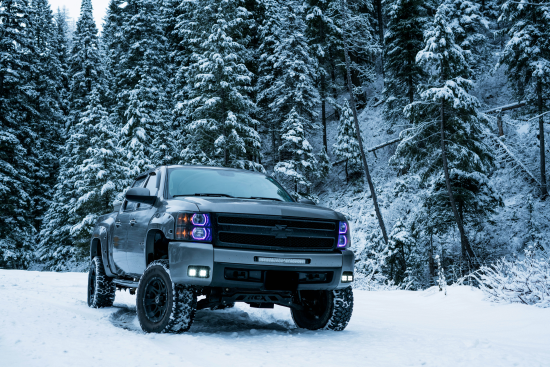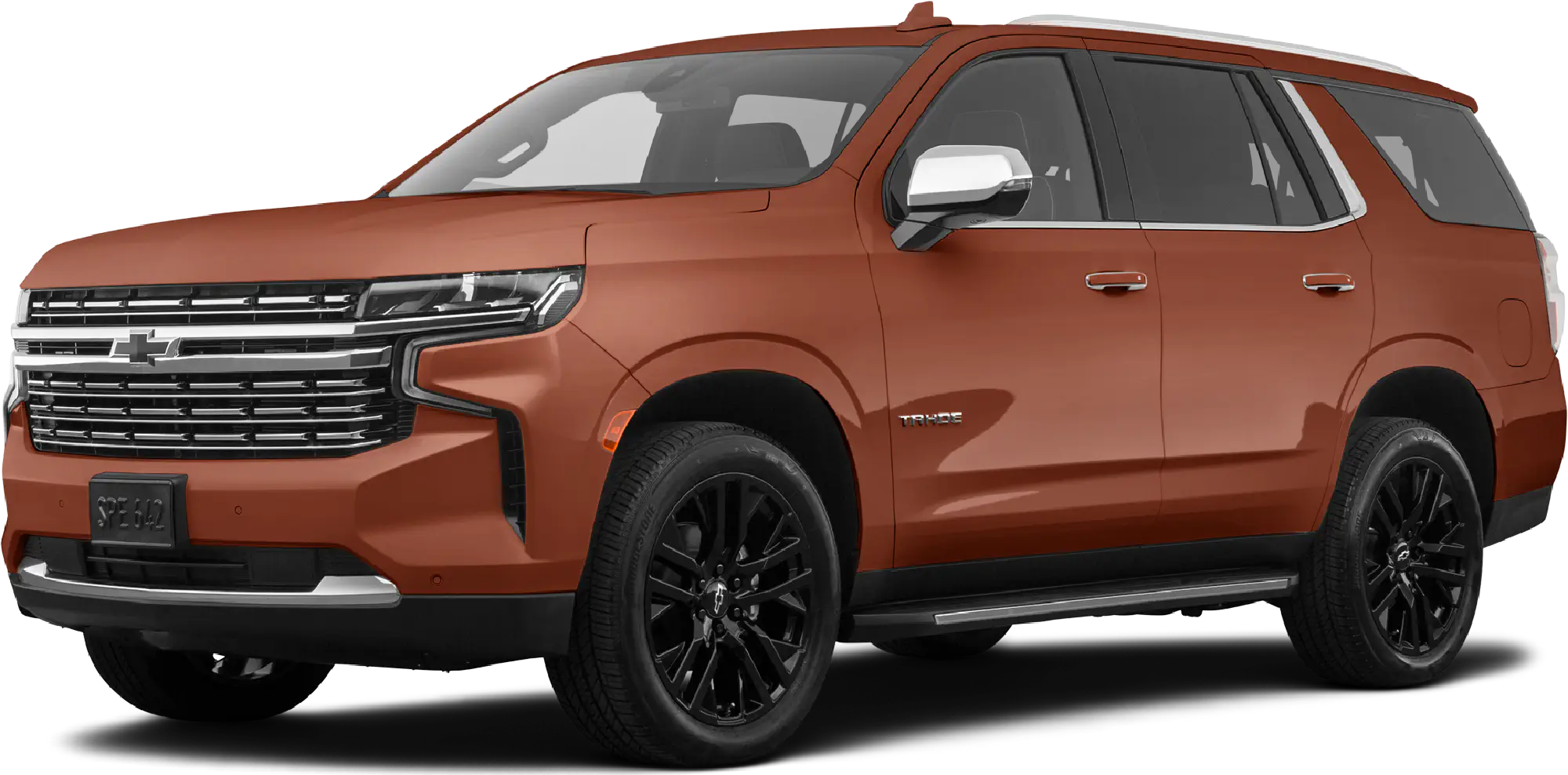
Toyota 4Runner vs Chevy Tahoe Durability Comparison
This 4Runner vs Tahoe reliability comparison breaks down how these two popular SUVs stack up in long-term durability, repair costs, and ownership risk.
Built for longevity and capability, SUVs like the Toyota 4Runner and Chevy Tahoe are often expected to last well beyond 100,000 miles.
Durability is not just about mileage. It is about how each vehicle handles wear, repairs, and real-world ownership demands over time.
When comparing SUV longevity, the Toyota 4Runner and Chevy Tahoe represent two different philosophies. The 4Runner is a midsize, body-on-frame SUV with a reputation for simplicity and rugged durability. The Tahoe is a full-size SUV offering more power, space, and advanced technology.
In terms of 4Runner vs Tahoe reliability, the 4Runner consistently ranks among the most durable SUVs on the road. Many owners report reaching 200,000 miles with minimal major repairs.
The Tahoe, while also capable of high mileage, tends to have more variability depending on engine choice, maintenance history, and model year. Its complexity and size can introduce more potential failure points over time.
The difference between a full-size vs midsize SUV plays a major role in long-term durability. The 4Runner uses a proven, naturally aspirated V6 engine and a simpler drivetrain design.
This simplicity reduces stress on components and limits the number of systems that can fail.
The Tahoe, on the other hand, offers V8 engines, advanced suspension systems, and more electronics. While these features improve performance and comfort, they also increase long-term repair exposure.
Heavier vehicles like the Tahoe also place more strain on brakes, suspension components, and transmissions.
Every vehicle has known issues, even highly durable ones.
Toyota 4Runner common concerns include:
Chevy Tahoe common issues include:
These issues highlight the core difference in the SUV longevity comparison. The 4Runner tends to have fewer but more predictable maintenance needs, while the Tahoe can experience more complex failures.
Repair costs are a critical part of any 4Runner vs Tahoe reliability evaluation.
| Repair Type | Toyota 4Runner | Chevy Tahoe |
|---|---|---|
| Brake Replacement | $300 to $700 | $400 to $900 |
| Suspension Repair | $500 to $1,200 | $800 to $2,000 |
| Transmission Repair | $3,000 to $5,000 | $3,500 to $6,500 |
| Engine Repairs | $2,500 to $5,000 | $4,000 to $8,000 |
The Tahoe generally has higher repair costs due to larger components, more labor-intensive repairs, and more complex systems.
Diagnostic costs can also be higher for the Tahoe because of advanced electronics and integrated systems.
Proper maintenance plays a major role in extending the lifespan of both SUVs.
For the Toyota 4Runner:
For the Chevy Tahoe:
Both vehicles benefit from routine inspections and addressing small issues before they become major repairs.
Neither SUV should be considered unreliable, but the ownership experience differs.
The 4Runner is ideal for buyers prioritizing long-term durability and lower repair complexity. It is often favored by drivers who plan to keep their vehicle for many years.
The Tahoe is better suited for those who need more space, towing capability, and modern features, but are willing to accept potentially higher maintenance and repair costs.
Understanding this trade-off is key in any full size vs midsize SUV decision.
Technical Service Bulletins, or TSBs, are issued by manufacturers to address known issues and provide repair guidance to technicians.
TSBs are not recalls, but they can reveal patterns of common problems for specific models. Reviewing TSBs can give valuable insight into potential reliability concerns before they become major issues.
You can find TSB reports through the National Highway Traffic Safety Administration website or manufacturer service databases.
As vehicles age, repair costs become less predictable. This is especially true for full-size SUVs like the Tahoe with more complex systems.
Purchasing the best extended coverage helps reduce that uncertainty by ensuring repairs follow OEM standards using genuine parts. This helps maintain performance and reliability over time.
For owners comparing long-term costs in a 4Runner vs Tahoe reliability scenario, protection against major repairs can make a significant difference.
Learn more about coverage options at Granger Warranty.
In most long-term studies and owner reports, the Toyota 4Runner shows more consistent reliability. Its simpler design contributes to fewer major failures over time.
Both can exceed 200,000 miles with proper maintenance. The 4Runner tends to reach that milestone with fewer major repairs, while the Tahoe may require more component replacements along the way.
Yes, in most cases. Larger parts, more complex systems, and increased labor contribute to higher repair costs for the Tahoe.
It depends on priorities. Midsize SUVs like the 4Runner typically offer lower long-term maintenance costs, while full size SUVs like the Tahoe provide more capability and space.
An extended warranty can help stabilize ownership costs by covering major repairs that become more likely as mileage increases.
Choosing between the Toyota 4Runner and Chevy Tahoe comes down to how you balance durability, capability, and long-term cost.
If your priority is proven reliability and lower repair risk, the 4Runner stands out. If you need space, towing, and modern features, the Tahoe delivers, but with higher potential repair exposure.
For either SUV, planning for long-term ownership costs is just as important as the initial purchase decision.
Explore transparent protection plans and transparent pricing at Granger Warranty to help keep your SUV ownership experience predictable and stress-free.
Stay up to date with the latest news from Granger Warranty