Toyota Corolla vs Honda Civic Repair Frequency
Both models consistently rank among the most reliable compact cars, yet they differ slightly in how often they need repairs, what types of issues appear, and how maintenance evolves past 75,000 to 100,000 miles.
Compact sedans like the Toyota Corolla and Honda Civic are known for long-term dependability, but repair frequency becomes more noticeable as mileage climbs.
Understanding Corolla vs Civic reliability helps buyers and owners plan for maintenance, avoid unexpected breakdowns, and manage ownership costs more effectively.
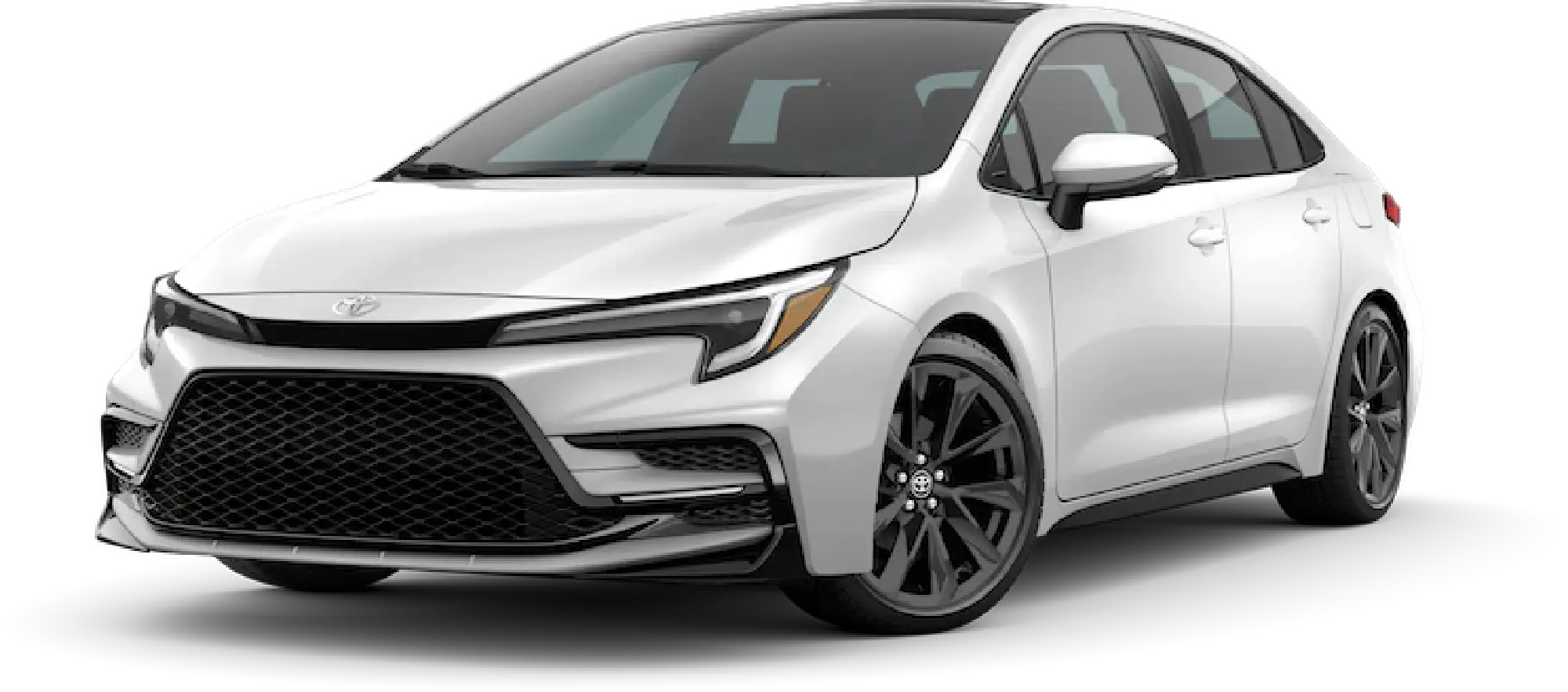
When comparing Corolla vs Civic reliability, both vehicles are engineered for durability, but their repair frequency patterns differ subtly over time. The Toyota Corolla tends to have fewer unexpected repairs overall, especially in the first 100,000 miles, thanks to conservative engineering and simpler drivetrain options.
The Honda Civic, while still highly reliable, may require slightly more frequent attention in areas like turbocharged engines, CVT transmissions, and electronic systems, depending on the model year. However, many Civic owners report strong long-term durability with proper maintenance.
In real-world compact car maintenance scenarios, both vehicles average relatively low repair visits per year compared to other sedans. The difference often comes down to driving habits, maintenance consistency, and engine configuration.
Corolla models are known for fewer major mechanical failures, but common issues include worn brake components, aging suspension parts, and occasional water pump replacements as mileage increases.
Civic models may experience similar wear items, but certain generations have seen higher rates of air conditioning compressor failures, turbocharger wear in newer engines, and infotainment glitches. These issues do not affect every vehicle, but they can influence repair frequency over time.
Both vehicles benefit from strong parts availability and relatively straightforward repairs, which helps keep downtime and labor costs manageable.
Repair costs for both vehicles remain lower than average across the industry, which is a key reason they are popular among long-term owners.
| Repair Type | Toyota Corolla Average Cost | Honda Civic Average Cost |
|---|---|---|
| Brake Pad Replacement | $250 - $400 | $250 - $400 |
| Alternator Replacement | $500 - $800 | $550 - $850 |
| AC Compressor Repair | $600 - $1,200 | $800 - $1,400 |
| CVT Transmission Service | $200 - $400 | $250 - $450 |
Diagnostic fees typically range from $100 to $180, depending on the shop and region. Over time, Civic owners may see slightly higher repair totals if turbo-related components or electronics require service.
Reducing repair frequency starts with consistent maintenance. Oil changes, transmission fluid services, and cooling system upkeep play a major role in long-term reliability comparison outcomes.
For Corolla owners, sticking to factory service intervals helps preserve the vehicle’s reputation for low repair frequency. Civic owners should pay closer attention to turbocharged engines by using high-quality oil and allowing proper warm-up and cool-down cycles.
Routine inspections of brakes, suspension components, and battery systems can prevent small issues from turning into costly repairs. Preventative maintenance remains the single most effective way to reduce long-term repair frequency in both vehicles.
For most drivers, neither vehicle presents significant reliability concerns. Both the Corolla and Civic are built to exceed 150,000 miles with proper care, and many examples reach 200,000 miles or more.
The Corolla offers slightly more predictable repair patterns, making it appealing for drivers prioritizing minimal maintenance surprises. The Civic provides a more engaging driving experience but may require closer attention to certain components depending on the model year.
Ultimately, the reliability comparison between these two compact cars shows that both are strong choices, with only minor differences in repair frequency.
A Technical Service Bulletin, or TSB, is a document issued by manufacturers to address known issues and provide recommended repair procedures. TSBs are not recalls, but they can highlight patterns that affect Corolla vs Civic reliability.
Owners can find TSB information through the National Highway Traffic Safety Administration website or manufacturer service portals. Reviewing TSBs before purchasing or maintaining a vehicle can help identify potential problem areas and reduce diagnostic guesswork.
As vehicles age, even reliable models like the Corolla and Civic become more expensive to maintain due to rising parts and labor costs. This is where extended coverage can play a role in stabilizing ownership expenses.
Granger Warranty provides extended warranty options designed to cover major repairs using OEM parts and standardized repair procedures. Coverage is accepted nationwide, helping drivers maintain their vehicles without worrying about unexpected repair bills.
Drivers comparing Corolla vs Civic reliability often consider extended coverage once factory warranties expire, especially if they plan to keep the vehicle long term.
Learn more about coverage options at Granger Warranty.
The Toyota Corolla typically has slightly lower repair frequency, particularly in early ownership years. Its simpler design contributes to fewer unexpected issues.
Maintenance costs are similar, but the Civic can be slightly higher in some cases due to turbocharged engines and electronic components.
Both vehicles commonly exceed 150,000 to 200,000 miles with proper maintenance, making them strong choices for long-term ownership.
CVT transmissions in both models are generally reliable when serviced regularly, though neglecting fluid changes can lead to increased repair frequency.
Yes, aggressive driving, delayed maintenance, and poor driving conditions can significantly increase repair frequency for both vehicles.
Choosing between these two compact sedans often comes down to priorities. Corolla owners benefit from consistency and low repair frequency, while Civic drivers may accept slightly higher maintenance needs in exchange for performance and features.
Understanding repair trends, maintenance expectations, and long-term costs allows owners to make informed decisions and avoid surprises. For those planning to keep their vehicle beyond the factory warranty, extended coverage can provide added financial predictability.
Explore protection plans and pricing at Granger Warranty to help manage future repair costs with confidence.
Stay up to date with the latest news from Granger Warranty