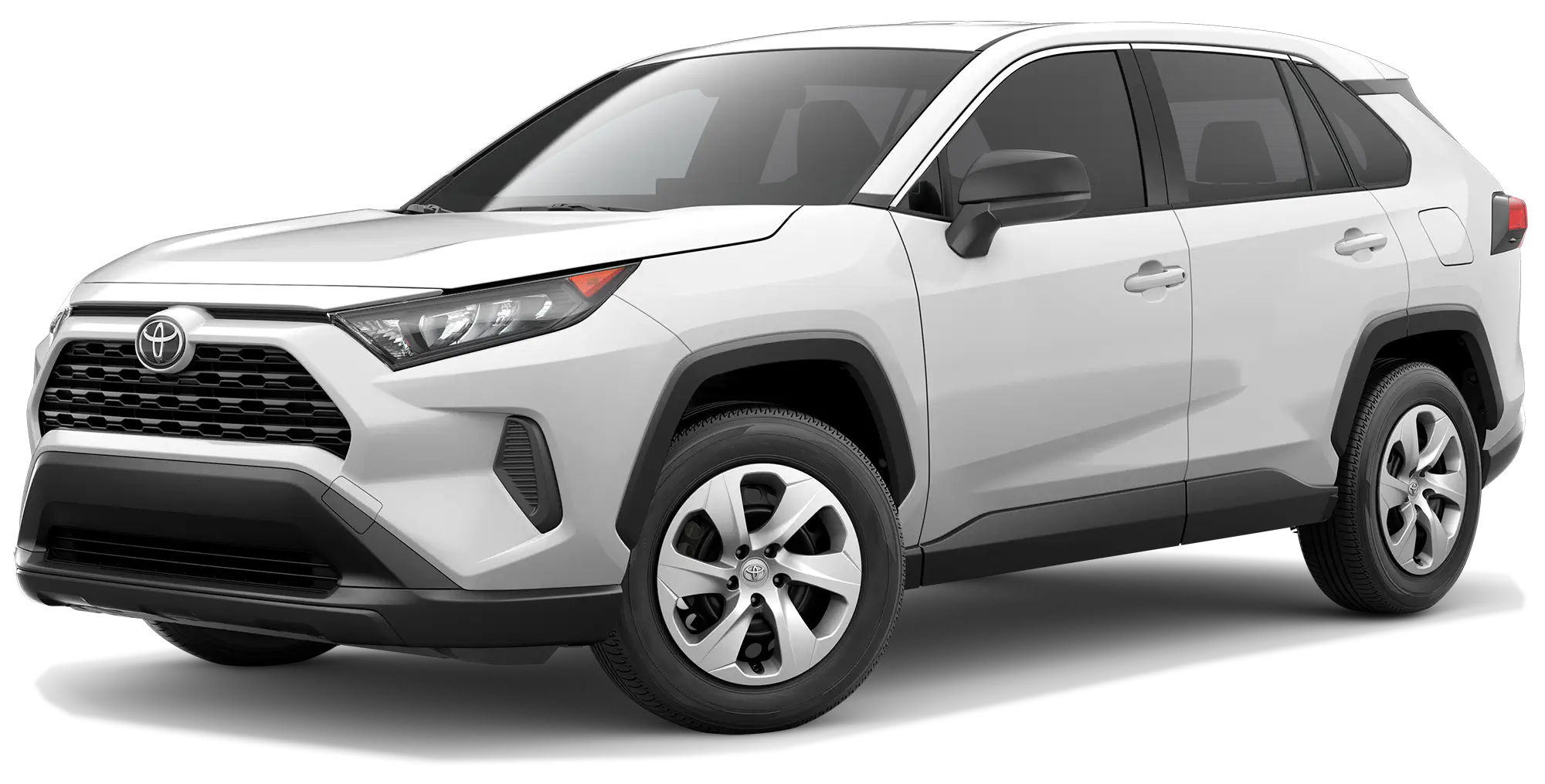
Toyota RAV4 vs Honda CR-V Repair Costs by Mileage
Both the Toyota RAV4 and Honda CR-V are known for strong reputations, but long-term ownership tells a more detailed story.
Compact SUV ownership continues to grow as drivers look for reliability, fuel efficiency, and practical space.
Understanding how repair costs evolve over time is critical when comparing two of the most popular models in the segment.
This guide breaks down RAV4 vs CR-V maintenance costs by mileage, common issues, and what to expect as these vehicles age.
When comparing RAV4 vs CR-V maintenance costs, both models are relatively affordable in the early years. Costs begin to diverge slightly after 60,000 miles as wear items and larger components come into play.
| Mileage Range | Toyota RAV4 Avg Annual Cost | Honda CR-V Avg Annual Cost |
|---|---|---|
| 0 to 30,000 miles | $300 to $450 | $300 to $450 |
| 30,000 to 60,000 miles | $400 to $600 | $400 to $650 |
| 60,000 to 100,000 miles | $600 to $900 | $650 to $950 |
| 100,000+ miles | $900 to $1,400 | $1,000 to $1,500 |
RAV4 models tend to have slightly lower long-term costs due to simpler drivetrain designs in some trims. CR-V models, especially turbocharged variants, may see higher repair costs over time.
Compact SUV ownership involves predictable maintenance early on and more variable repairs as mileage increases. Both vehicles share similar service intervals but differ in specific failure points.
Typical repair cost breakdown includes:
| Repair Type | Estimated Cost Range |
|---|---|
| Brake pad replacement | $250 to $450 |
| Battery replacement | $150 to $300 |
| Water pump replacement | $500 to $900 |
| Suspension repairs | $800 to $1,500 |
| Transmission repair or replacement | $3,500 to $6,000 |
RAV4 owners often report fewer transmission-related issues, especially with traditional automatic systems. CR-V models with CVT transmissions can be reliable but may require more frequent fluid maintenance to avoid costly repairs.
As mileage increases, certain patterns begin to emerge.
RAV4 common issues:
CR-V common issues:
A Technical Service Bulletin, or TSB, is issued by manufacturers to address known issues that are not recalls but still require attention. TSBs provide repair procedures and updated parts information to dealerships. Drivers can find TSB reports through the NHTSA website or manufacturer service portals.
Diagnostic costs are often overlooked but play a role in total ownership costs. Most shops charge between $120 and $180 per hour for diagnostics.
Major repair estimates:
| Component | RAV4 Repair Cost | CR-V Repair Cost |
|---|---|---|
| Transmission replacement | $3,500 to $5,500 | $4,000 to $6,000 |
| Engine repair | $2,500 to $5,000 | $2,800 to $5,500 |
| AC system repair | $800 to $1,500 | $900 to $1,600 |
Higher mileage vehicles often require multiple smaller repairs that add up quickly. This is where ownership costs can become less predictable.
Preventive maintenance plays a major role in controlling compact SUV ownership costs. Small steps early can prevent major expenses later.
Key tips include:
Routine maintenance is generally affordable, but neglect can lead to major repairs that significantly increase long-term costs.
Both the RAV4 and CR-V are capable of exceeding 150,000 miles with proper care. However, repair frequency and cost tend to increase after 100,000 miles.
Drivers should expect:
Planning for these costs helps avoid financial surprises and makes ownership more predictable.
As factory warranties expire, owners become responsible for the full cost of repairs. This is where repair cost exposure becomes more noticeable.
Here’s the thing: extended coverage can help stabilize ownership costs by covering major components. Plans that use OEM parts and factory repair standards help maintain vehicle reliability and performance.
Drivers comparing long-term compact SUV ownership often consider coverage options once they reach 60,000 to 100,000 miles.
Most owners spend between $400 and $900 annually, depending on mileage. Costs increase as vehicles pass 100,000 miles and require more frequent repairs.
Both are reliable, but the RAV4 tends to have slightly fewer drivetrain issues over time. CR-V models with turbo engines require more attentive maintenance.
Yes, CVT repairs can be costly if maintenance is skipped. Regular fluid changes help reduce the risk of major failures.
Higher mileage increases the likelihood of component wear and major repairs. Costs typically rise significantly after 100,000 miles.
Preventive maintenance reduces risk but does not eliminate it. Some components will eventually fail due to normal wear.
Understanding RAV4 vs CR-V maintenance costs helps drivers prepare for long-term ownership. Repair costs can remain manageable early on, but often increase with mileage and complexity.
For drivers looking to protect against unexpected repair expenses, exploring the best coverage can be a practical next step. Options available through Granger Warranty provide transparent pricing, nationwide acceptance, and repairs completed using OEM standards.
Planning ahead allows you to enjoy your vehicle without the uncertainty of rising repair costs.
Stay up to date with the latest news from Granger Warranty