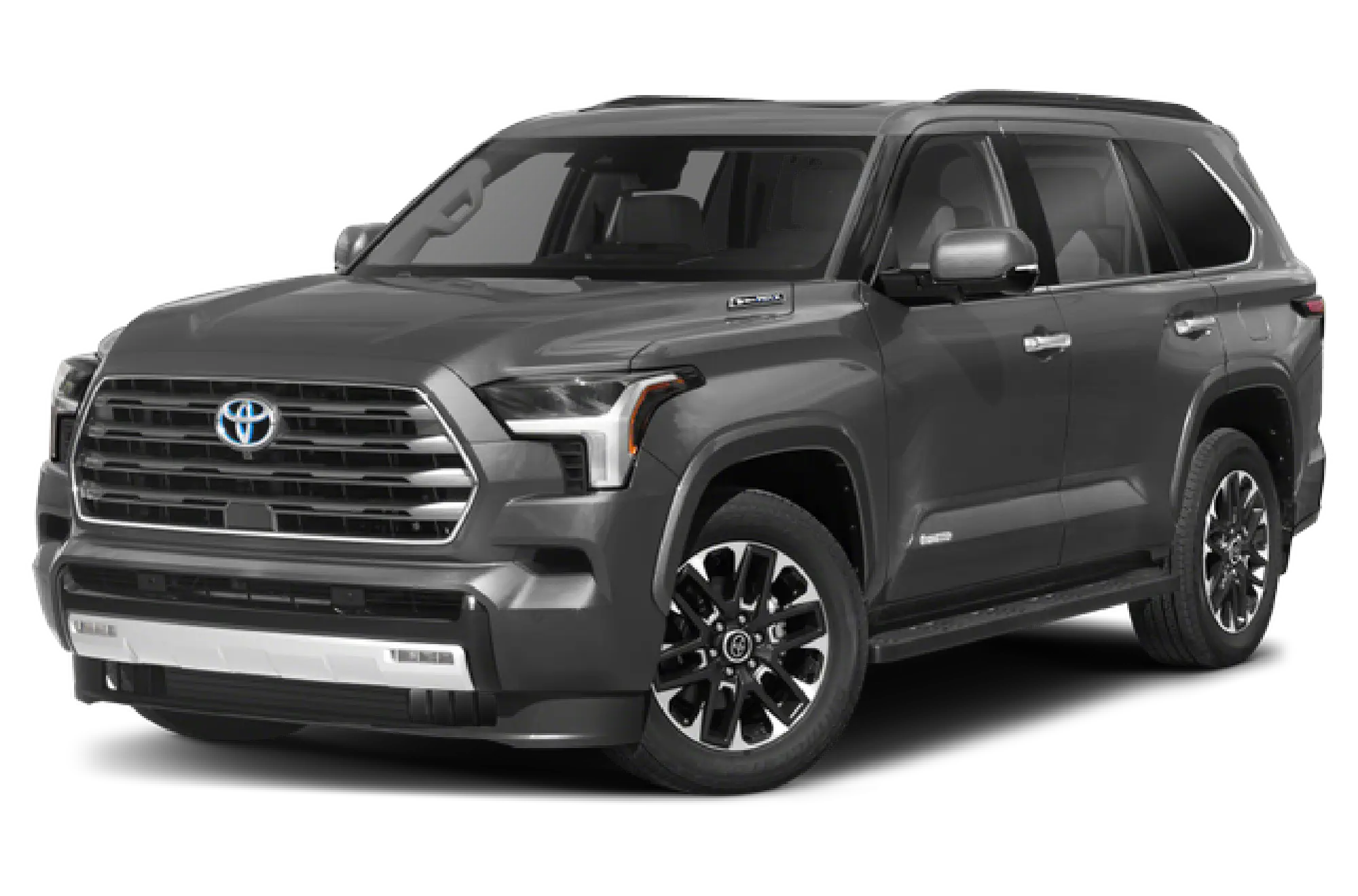
Toyota Sequoia vs Chevy Tahoe Repair Costs After 100K Miles
Both the Toyota Sequoia and Chevy Tahoe are built for durability, but their maintenance patterns and repair costs can differ significantly once they cross into high mileage territory.
Owning a full-size SUV past 100,000 miles brings a different level of responsibility.
Repair frequency increases, parts wear out, and even reliable models can start to show expensive issues. Understanding Sequoia vs Tahoe repair cost trends helps set realistic expectations for long-term ownership.
When comparing Sequoia vs Tahoe repair costs, both SUVs tend to remain dependable, but ownership costs begin to diverge based on drivetrain design, engine complexity, and electronic systems.
The Toyota Sequoia is known for long-term durability, especially with its V8 powertrains and conservative engineering. Many owners report fewer major failures but higher parts pricing due to OEM components.
The Chevy Tahoe often offers lower upfront repair costs, but may experience more frequent component wear, particularly in suspension, transmission tuning, and electronic systems in newer models.
After 100,000 miles, annual repair and maintenance costs typically fall into these ranges:
| Vehicle | Average Annual Repair Cost (100K+ Miles) | Common Expense Type |
|---|---|---|
| Toyota Sequoia | $900 to $1,400 | Fewer but higher-cost repairs |
| Chevy Tahoe | $1,000 to $1,600 | More frequent mid-range repairs |
These numbers vary based on driving habits, maintenance history, and engine configuration.
As both vehicles age, certain components become predictable failure points. Understanding these helps anticipate full-size SUV maintenance costs.
For the Toyota Sequoia, common high mileage issues include:
For the Chevy Tahoe, common issues often include:
These issues do not mean either vehicle is unreliable, but they highlight where high-mileage SUV costs begin to accumulate.
Major repairs are where cost differences become more noticeable. Labor time, part availability, and system complexity all play a role.
Here are typical repair cost ranges for major components:
| Repair Type | Toyota Sequoia | Chevy Tahoe |
|---|---|---|
| Transmission Replacement | $3,500 to $5,500 | $3,000 to $5,000 |
| Suspension Overhaul | $1,200 to $2,500 | $1,500 to $3,000 |
| Engine Repair (Internal) | $4,000 to $7,000 | $3,500 to $6,500 |
| Air Suspension / Ride Control | N/A or minimal | $1,500 to $3,500 |
Sequoia repairs tend to be less frequent but can involve higher OEM part costs. Tahoe repairs may occur more often depending on configuration, especially with advanced suspension systems.
Preventative maintenance becomes critical after 100K miles. Small issues can quickly turn into expensive repairs if ignored.
Routine steps that help control full-size SUV maintenance costs include:
Consistent service history is often the difference between predictable maintenance and unexpected repair bills.
Technical Service Bulletins, often referred to as TSBs, are issued by manufacturers to address known issues or updated repair procedures. They are not recalls, but they provide valuable insight into common problems and recommended fixes.
Owners can find TSB reports through the National Highway Traffic Safety Administration website or manufacturer service databases. Reviewing TSBs for the Sequoia or Tahoe can help identify known issues before they become costly repairs.
Crossing the 100k-mile mark typically means factory warranty coverage has expired. At this point, owners assume full responsibility for repair costs.
This is where the Sequoia vs Tahoe repair cost becomes more than a comparison. It becomes a financial planning decision. Even reliable vehicles can require several thousand dollars in repairs over a short period.
If a transmission, suspension system, or major engine component fails, the cost can exceed what many owners expect from a single repair event.
Most owners can expect to spend between $1,000 and $1,500 per year, with occasional spikes for major repairs. The Sequoia typically has fewer major issues, while the Tahoe may have more frequent repairs depending on configuration.
The Tahoe may have slightly higher cumulative costs due to repair frequency. The Sequoia often has higher individual repair costs but fewer major failures over time.
Yes, in many cases. Full-size SUVs often share truck platforms but include additional features, weight, and electronics, which can increase maintenance and repair complexity.
Transmission replacements, suspension overhauls, and engine repairs are typically the most expensive. These can range from $3,000 to over $7,000, depending on the issue.
Absolutely. Vehicles with consistent maintenance records tend to have significantly lower long-term repair costs compared to neglected vehicles.
As repair costs increase with mileage, many owners begin looking for ways to stabilize long-term ownership expenses. Unexpected repairs can quickly exceed several thousand dollars, especially on complex full-size SUVs.
Extended coverage can help reduce financial uncertainty by covering major components and ensuring repairs follow OEM standards.
Granger Warranty offers OEM-equivalent protection plans for high-mileage vehicles. Coverage includes nationwide acceptance, OEM parts, and transparent pricing, helping owners manage the real cost of ownership with confidence.
Learn more about coverage options at Granger Warranty and explore how extended protection can fit into your long-term vehicle strategy.
For many drivers, the decision is not just about reliability. It is about controlling the cost of ownership as vehicles age beyond factory warranty limits.
Stay up to date with the latest news from Granger Warranty