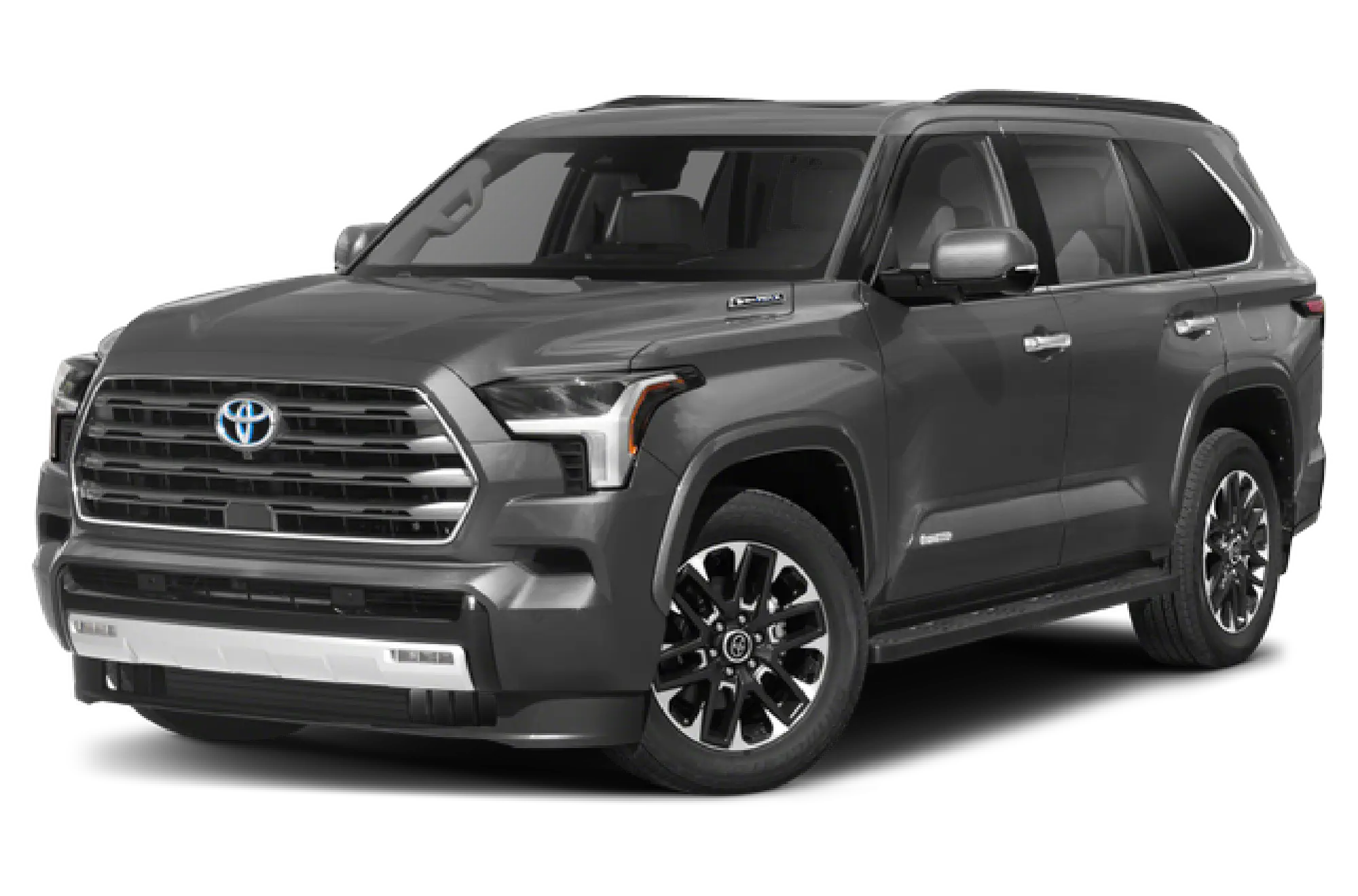
Toyota Sequoia vs Nissan Armada Engine Durability
Toyota and Nissan have long competed in the full-size SUV segment, and engine durability remains one of the biggest decision factors for buyers planning long-term ownership.
Understanding Sequoia vs Armada engine reliability helps set realistic expectations around SUV engine lifespan, maintenance, and long-term repair exposure.
Both vehicles are built with strong reputations, but differences in engine design, maintenance sensitivity, and real-world reliability trends can influence ownership costs over time.
Sequoia vs Armada engine reliability often comes down to engineering philosophy. Toyota typically prioritizes conservative tuning and long-term durability, while Nissan balances performance and efficiency with more complex systems in newer models.
Older Toyota Sequoia models used the proven 5.7L i-Force V8, known for longevity and simplicity. Newer Sequoias use a twin-turbo V6 hybrid setup, which introduces more components but improves efficiency and power.
The Nissan Armada relies on a 5.6L Endurance V8. This engine has strong performance but has historically shown sensitivity to maintenance intervals, especially with oil changes and cooling system upkeep.
SUV engine lifespan depends heavily on maintenance, driving habits, and design complexity. In general, both the Sequoia and Armada can exceed 200,000 miles with proper care.
Toyota’s older V8 engines are widely known to reach 250,000 miles or more with minimal major repairs. Nissan’s V8 can also reach similar mileage, but tends to require more proactive maintenance along the way.
Turbocharged and hybrid systems in newer vehicles may not yet have the same long-term data, but early trends suggest higher repair costs if components fail outside warranty.
Both SUVs experience common wear items, but the types of issues differ slightly.
Sequoia owners may encounter:
Armada owners may see:
While none of these issues are guaranteed, they highlight how maintenance discipline impacts engine durability in both platforms.
Repair costs are where differences in engine design become more noticeable.
| Repair Type | Toyota Sequoia Estimated Cost | Nissan Armada Estimated Cost |
|---|---|---|
| Water Pump Replacement | $500 to $900 | $600 to $1,000 |
| Timing Chain Repair | $1,500 to $3,000 | $2,000 to $4,000 |
| Fuel Injector Replacement | $300 to $800 | $500 to $1,200 |
| Turbocharger Repair (New Sequoia) | $2,500 to $5,000+ | Not Applicable |
Older naturally aspirated engines tend to have lower repair costs due to a simpler design. Newer turbocharged engines may offer better performance, but can introduce higher repair exposure.
Proper maintenance plays a larger role in engine durability than brand differences alone.
Regular oil changes are critical, especially for the Armada’s V8, which is sensitive to oil quality and intervals. Cooling system maintenance, including radiator and coolant service, helps prevent overheating issues in both vehicles.
Using high-quality fuel and addressing small issues early can extend the SUV engine’s lifespan significantly. Ignoring minor symptoms often leads to more expensive repairs later.
Both the Sequoia and Armada are capable of long service lives, but risk tolerance matters.
Buyers who prioritize proven reliability often lean toward the Sequoia, especially older V8 models. Armada owners can achieve similar longevity, but typically need to stay more consistent with maintenance.
Newer engine technologies in both SUVs introduce additional variables. Turbochargers, hybrid systems, and emissions components can increase repair complexity after the factory warranty expires.
Technical Service Bulletins, commonly called TSBs, are manufacturer-issued documents that address known issues and recommended repair procedures. They are not recalls, but they provide valuable insight into common engine concerns.
Owners can find TSB reports through the NHTSA website or manufacturer service portals. Reviewing TSBs for the Sequoia vs Armada engine reliability can help identify recurring issues before they become major problems.
Engine repairs are among the most expensive ownership costs once a vehicle passes 60,000 to 100,000 miles. Planning for those costs is part of smart long-term SUV ownership.
OEM-level extended coverage can help stabilize repair expenses, especially for complex components like turbochargers, fuel systems, and internal engine parts.
Granger Warranty offers affordable plans that use OEM parts and standardized repair procedures. Coverage is accepted nationwide and is designed to reduce uncertainty as vehicles age.
Drivers comparing protection options can explore plans directly at Granger Warranty to understand pricing and coverage details.
Toyota Sequoia engines, especially the older V8 models, have a strong reputation for long-term durability. Armada engines are capable but often require stricter maintenance discipline to achieve similar longevity.
Both SUVs can exceed 200,000 miles with proper maintenance. Some Sequoia models have been known to surpass 250,000 miles, while Armada engines typically reach similar mileage with consistent care.
New turbocharged engines introduce more complexity, which can increase repair risk over time. Long-term durability data is still developing, but maintenance and driving habits will play a major role.
Timing chain wear and fuel system issues are among the more common concerns. These issues are often tied to maintenance intervals and oil quality.
Historically, the Sequoia has slightly lower long-term repair costs due to simpler engine designs. Newer models may narrow that gap as both vehicles adopt more advanced technology.
Choosing between the Sequoia and Armada comes down to how you value proven reliability versus performance and features. Both SUVs can deliver long engine life, but ownership outcomes depend heavily on maintenance and planning.
Understanding Sequoia vs Armada engine reliability helps set expectations for SUV engine lifespan and long-term repair exposure. As vehicles become more complex, repair costs are becoming less predictable.
Factory-backed protection provides a structured way to manage that uncertainty. Granger Warranty allows owners to maintain OEM repair standards while controlling unexpected expenses.
Explore coverage options and pricing at Granger Warranty to see how protection can fit into your long-term ownership strategy.
Stay up to date with the latest news from Granger Warranty