Toyota Vs Chevy Reliability Comparison
Toyota vs Chevy reliability is one of the most common debates among car buyers comparing long term ownership costs.
Both brands offer a wide range of vehicles, but their approach to engineering, maintenance, and durability can lead to different ownership experiences.
Understanding how these brands compare helps drivers make smarter decisions, especially when factoring in repair costs and long-term reliability.
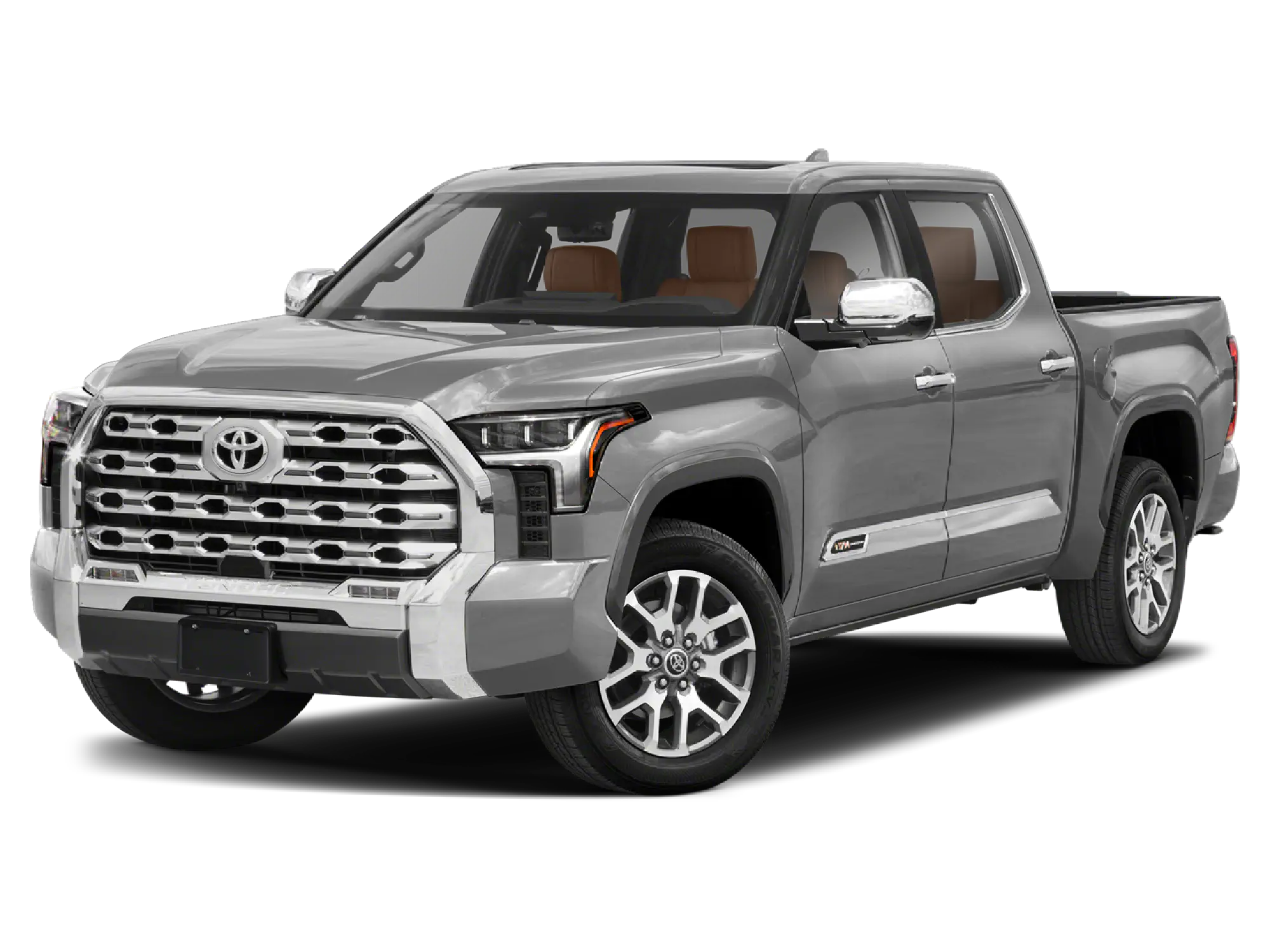
Toyota has built a reputation around consistency and long-term durability. Many models are known to exceed 200,000 miles with routine maintenance, which contributes to strong resale value and lower ownership stress.
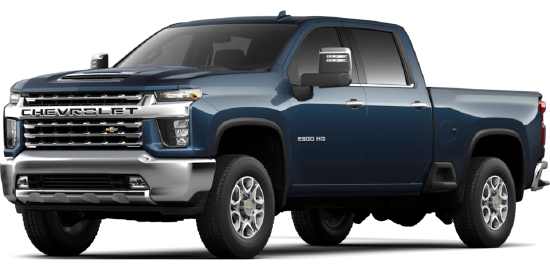
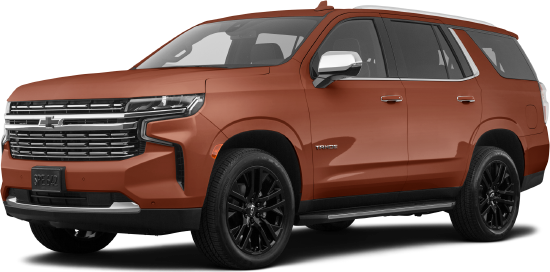
Chevy offers a broader range of vehicles, including trucks and performance models. While many Chevy vehicles are reliable, consistency can vary more depending on the model and engine platform.
From a brand reliability comparison standpoint, Toyota tends to rank higher in long-term dependability studies, while Chevy often excels in capability and performance-focused segments.
Reliability differences often come down to the types of issues each brand experiences over time.
Toyota vehicles commonly face:
Chevy vehicles commonly face:
Repair costs vary depending on severity. Here is a general comparison:
| Repair Type | Toyota Average Cost | Chevy Average Cost |
|---|---|---|
| Transmission Replacement | $3,500 to $5,500 | $4,000 to $6,500 |
| Engine Repair | $2,500 to $4,500 | $3,000 to $5,500 |
| Electrical Diagnostics | $150 to $300 | $200 to $400 |
Toyota tends to have fewer major failures over time, while Chevy repairs can be slightly higher when complex systems are involved.
Before any repair is completed, diagnosing the issue is often the first cost drivers face.
Most diagnostic fees range from $120 to $200, depending on the shop and complexity. Advanced systems like infotainment, sensors, or hybrid components can increase diagnostic time.
Chevy vehicles with advanced technology packages may require more in-depth diagnostics, while Toyota systems are often simpler and more standardized. This can influence overall repair costs even before parts are replaced.
Reliability is not just about the brand. Maintenance habits play a major role in long-term ownership outcomes.
Key maintenance practices include:
Toyota vehicles tend to reward consistent maintenance with fewer unexpected repairs. Chevy vehicles, especially trucks and SUVs, benefit from proactive servicing due to heavier workloads.
For most drivers, both brands can provide reliable transportation when properly maintained. The key difference lies in predictability.
Toyota ownership is often more predictable with fewer major repairs. Chevy ownership can vary more depending on the model, but many vehicles still deliver strong performance and longevity.
Drivers planning to keep a vehicle long term may lean toward Toyota for consistency. Those prioritizing capability or towing may choose Chevy while accepting slightly higher repair risk.
A Technical Service Bulletin, or TSB, is a manufacturer-issued document that outlines known issues and recommended repair procedures. TSBs are not recalls, but they provide valuable insight into common problems.
Vehicle owners can find TSBs through the National Highway Traffic Safety Administration database or dealership service departments. Reviewing TSBs before purchasing a vehicle can reveal patterns in reliability and potential repair concerns.
When comparing ownership costs, reliability plays a direct role in long-term expenses.
| Ownership Factor | Toyota | Chevy |
|---|---|---|
| Average Annual Maintenance | Lower | Moderate |
| Major Repair Frequency | Less Frequent | Moderate |
| Resale Value | Higher | Moderate |
| Parts Cost | Moderate | Moderate |
Toyota often leads in lower lifetime repair costs, while Chevy offers competitive value depending on vehicle type and usage.
Factory warranties typically cover vehicles for 3 years or 36,000 miles, with powertrain coverage extending longer. Once that coverage expires, repair costs become the owner’s responsibility.
Extended coverage can help stabilize these costs, especially for vehicles with complex systems or higher mileage. Choosing a plan that uses OEM parts and follows factory repair standards is critical for maintaining reliability.
For more information on factory-grade coverage options, visit Granger Warranty.
Toyota generally ranks higher in long-term reliability studies. Fewer major repairs and consistent engineering contribute to lower ownership risk.
Chevy trucks are durable and capable, especially for towing and work use. Toyota trucks often have fewer long-term issues but may offer less variety in configurations.
Toyota typically has lower repair costs over time due to fewer major failures. Chevy repair costs can vary depending on model and complexity.
Yes. Once vehicles pass 100,000 miles, components like transmissions, suspension, and electronics can require costly repairs regardless of brand.
Extended coverage can be valuable for both brands, especially as vehicles age and repair costs increase. It helps reduce financial uncertainty and protects against major failures.
Choosing between Toyota and Chevy comes down to how you prioritize reliability, performance, and long-term costs. Both brands offer strong vehicles, but repair risk increases as mileage climbs.
The best extended warranty coverage helps bridge the gap after the original warranty expires. Plans administered through Granger Warranty focus on OEM repair standards, transparent pricing, and nationwide service acceptance to make it as easy as possible for buyers.
Learn more about protecting your vehicle at Granger Warranty and explore coverage options designed for long-term ownership confidence.
Stay up to date with the latest news from Granger Warranty