Which Automakers Have the Lowest Post-Warranty Ownership Costs in 2026?
Vehicle ownership becomes a very different experience once the factory warranty expires.
Maintenance costs, repair frequency, parts pricing, and vehicle complexity all begin to play a larger role in determining the true cost of ownership. For buyers planning to keep their vehicles beyond 60,000 miles, understanding which brands offer the lowest ownership costs in 2026 can help avoid unexpected repair bills and improve long-term value.
While purchase price often receives the most attention, post-warranty expenses can easily exceed thousands of dollars over the life of a vehicle. Some automakers consistently demonstrate lower maintenance and repair costs, while others may require more expensive repairs due to advanced technology, premium components, or complex drivetrains.
Several factors influence long-term ownership expenses, including reliability, parts availability, labor complexity, and repair frequency. Brands that score well in these categories tend to produce the most affordable ownership experiences after warranty coverage expires.
| Automaker | Estimated Post-Warranty Ownership Costs | Reliability Reputation | Parts Availability |
|---|---|---|---|
| Toyota | Very Low | Excellent | Excellent |
| Honda | Very Low | Excellent | Excellent |
| Mazda | Low | Very Good | Very Good |
| Subaru | Moderate | Good | Good |
| Ford | Moderate | Good | Excellent |
| Chevrolet | Moderate | Good | Excellent |
| Hyundai | Moderate | Improving | Good |
| Kia | Moderate | Improving | Good |
| BMW | High | Good | Moderate |
| Mercedes-Benz | Very High | Good | Moderate |
Toyota and Honda continue to dominate discussions surrounding the lowest ownership costs 2026 because of their proven reliability records, widespread dealer networks, and affordable replacement parts.
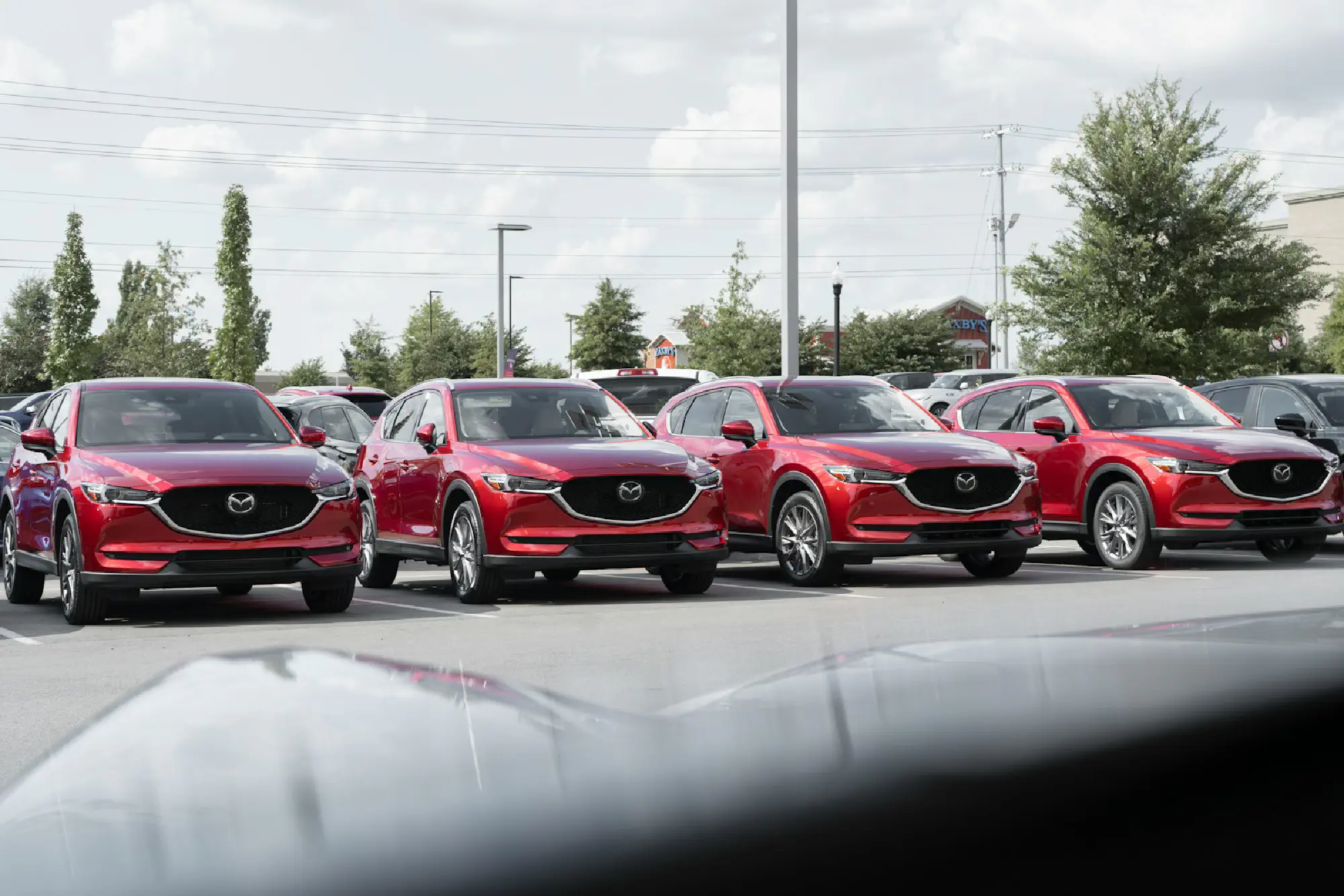
Mazda has emerged as a strong contender as well, offering competitive reliability with relatively low maintenance expenses compared to many competitors.
Reliability directly impacts ownership costs because every repair involves more than simply replacing a part. Vehicle owners must also pay diagnostic fees, labor charges, shop supplies, and often rental vehicle expenses.
A vehicle requiring fewer repairs over 100,000 to 150,000 miles generally costs substantially less to own than a vehicle with frequent electronic, transmission, or engine issues.
Modern vehicles contain dozens of electronic control modules, sensors, cameras, and advanced safety systems. Even a seemingly minor component failure can result in repair bills ranging from several hundred to several thousand dollars.
Brands with proven long-term reliability typically expose owners to fewer unexpected expenses after warranty coverage expires.
Not all repairs carry the same financial impact. Some systems are relatively inexpensive to maintain, while others can create significant ownership costs.
| Vehicle System | Typical Repair Cost Range |
|---|---|
| Alternator | $500 - $1,200 |
| Air Conditioning Compressor | $800 - $2,000 |
| Suspension Components | $500 - $2,500 |
| Infotainment System | $1,000 - $4,000 |
| Transmission Repair | $3,000 - $8,000 |
| Turbocharger Replacement | $1,500 - $5,000 |
| Hybrid Battery | $2,500 - $10,000+ |
| ADAS Sensor Calibration | $250 - $1,500 |
Many lower-cost ownership brands achieve their rankings because they experience fewer failures involving expensive systems such as transmissions, advanced electronics, and hybrid components.
Technical Service Bulletins, commonly called TSBs, are manufacturer-issued documents that help dealerships diagnose and repair known vehicle issues. A TSB is not the same as a recall because it does not require the manufacturer to provide a free repair.
TSBs often contain updated repair procedures, revised parts, software updates, or diagnostic guidance. Reviewing TSBs can help owners understand common issues affecting specific makes and models before purchasing a vehicle.
Vehicle owners can find TSB information through the National Highway Traffic Safety Administration (NHTSA) website, manufacturer service portals, dealerships, and automotive research websites.
Checking TSB history is an excellent way to evaluate long-term reliability and estimate future repair exposure.
Even the most reliable vehicle can become expensive if maintenance is neglected. Consistent service remains one of the most effective ways to control ownership costs.
Regular oil changes help reduce engine wear and improve long-term reliability. Transmission fluid services can extend transmission life, while cooling system maintenance helps prevent overheating and expensive engine damage.
Owners should also address warning lights promptly. Delaying repairs often allows minor issues to develop into major failures that cost significantly more to correct.
Maintaining service records can also improve resale value and simplify future diagnostics.
Modern vehicles are safer and more capable than ever, but technology often increases ownership costs after warranty expiration.
Advanced Driver Assistance Systems (ADAS) rely on cameras, radar sensors, ultrasonic sensors, and control modules that require specialized calibration procedures following repairs or windshield replacements.
Large infotainment screens, digital instrument clusters, and connected vehicle systems can also generate substantial repair bills when failures occur.
Brands that balance technology with long-term reliability often provide the best overall ownership experience.
For many consumers, the answer is yes.
The purchase price represents only a portion of total ownership expenses. Fuel costs, insurance, maintenance, depreciation, and repairs often exceed the original purchase decision’s impact over time.
Buyers planning to keep their vehicles beyond factory warranty coverage should carefully evaluate long-term reliability data, maintenance costs, and repair histories.
Toyota, Honda, Mazda, Ford, and Chevrolet frequently appear among the best choices for balancing reliability, affordability, and nationwide service support.
A slightly higher purchase price can often result in lower overall ownership costs if the vehicle experiences fewer repairs throughout its lifespan.
Even vehicles known for reliability can experience unexpected repairs as mileage increases.
Electronic modules, infotainment systems, turbochargers, air conditioning components, and advanced safety systems continue to become more expensive each year. Many owners explore vehicle protection options before factory coverage expires to help stabilize future repair expenses.
Granger Warranty offers transparent vehicle service contract options for many popular brands, allowing owners to better manage unexpected repair costs as vehicles age. Coverage options can be reviewed online at Granger Warranty, making it easier to compare plans and determine whether additional protection aligns with long-term ownership goals.
Toyota is widely considered one of the strongest performers due to exceptional reliability, affordable parts, and low repair frequency. Honda and Mazda also rank among the leaders for long-term affordability.
Luxury vehicles often use more complex technology, specialized components, and premium materials. Labor costs and parts pricing are typically higher as well.
Most hybrids require similar routine maintenance compared to gasoline vehicles. Battery replacement remains the largest potential long-term expense, though many hybrid batteries last well beyond 100,000 miles.
Following manufacturer maintenance schedules, addressing problems early, and keeping accurate service records can significantly reduce long-term repair expenses.
Extended vehicle protection can help reduce financial exposure from major repairs involving engines, transmissions, electronics, and other expensive components after factory warranty coverage expires.
Understanding the lowest ownership costs in 2026 is an important part of making a smart vehicle purchase decision. Brands such as Toyota, Honda, Mazda, Ford, and Chevrolet often provide strong long-term value because of their reliability and manageable repair expenses.
As vehicles become more technologically advanced, even dependable models can generate costly repair bills after warranty expiration. Learning about available protection options before major repairs occur can help owners maintain predictable ownership costs and greater confidence throughout the life of their vehicle. Explore coverage options and pricing at Granger Warranty.
Stay up to date with the latest news from Granger Warranty