Will an Extended Warranty Pay for Aftermarket Modifications?
Aftermarket modifications are extremely common among truck, SUV, and performance vehicle owners. Lift kits, tuners, upgraded exhaust systems, and suspension changes can dramatically improve appearance or performance. However, many owners worry about one important question: will an extended warranty still cover repairs if the vehicle has been modified?
Understanding how aftermarket modifications warranty coverage works can help prevent expensive surprises if a mechanical problem occurs later.
Aftermarket modifications do not automatically cancel a vehicle’s factory warranty or extended warranty coverage. Instead, coverage decisions usually depend on whether the modification directly caused the failure.
For example, installing an upgraded stereo system generally will not affect engine or transmission coverage. But installing a performance tuner that increases engine output could affect claims related to engine or drivetrain failures.
This cause‑and‑effect rule is central to how most warranty providers evaluate claims involving modified vehicles.
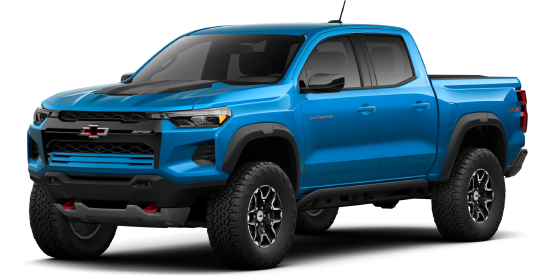
Truck owners frequently ask about lifted truck warranty concerns. A suspension lift kit typically does not void the entire warranty, but if the lift contributes to issues such as premature suspension wear, steering component failures, or drivetrain stress, the related repair may not be covered.
Performance parts warranty questions follow the same logic. High‑performance components can increase stress on factory systems, and coverage decisions often depend on whether those changes contributed to the problem being repaired.
Certain types of modifications tend to raise more warranty questions than others. These include:
These modifications can change how a vehicle operates compared with factory specifications. If a mechanical failure occurs in a related component, the warranty administrator may review whether the modification contributed to the failure.
Vehicle manufacturers and warranty administrators rely on diagnostic procedures to determine root cause. Service departments may also reference technical guidance provided by the manufacturer when evaluating failures.
Technical Service Bulletins (TSBs) are informational documents released by vehicle manufacturers to help technicians diagnose and repair known issues. Unlike recalls, TSBs do not require a repair to be performed for free, but they provide guidance about common problems and recommended fixes.
Owners can find TSB information through dealership service departments, manufacturer service portals, and automotive databases such as the NHTSA website. Reviewing TSB reports can help determine whether a failure is a known issue unrelated to vehicle modifications.
Repair costs can rise quickly when modifications are involved. In some cases, upgraded components place additional strain on factory systems.
| Repair Type | Typical Cost Range |
|---|---|
| Suspension component replacement | $400 – $1,500 |
| Steering system repair | $600 – $1,800 |
| Differential or drivetrain repair | $1,200 – $3,500 |
| Engine repair related to tuning | $3,000 – $7,500 |
Even when a modification did not cause the issue, diagnosing problems on modified vehicles can sometimes take longer because technicians must evaluate both factory components and added parts.
These costs are one reason many owners explore extended protection options before making major vehicle modifications.
Vehicle owners who modify their vehicles can reduce potential warranty issues by following a few best practices.
Use high‑quality parts designed specifically for the vehicle platform. Modifications engineered for a specific model tend to create fewer reliability problems.
Maintain detailed service records showing regular maintenance and installation procedures. Documentation can help clarify the condition of the vehicle if a warranty claim is reviewed.
Work with experienced installers who understand factory suspension geometry, drivetrain limitations, and electrical integration. Poor installation is one of the most common causes of post‑modification mechanical problems.
Finally, consider how performance upgrades may affect long‑term durability. Increasing horsepower or torque can significantly increase wear on factory drivetrain components.
Most vehicle owners can modify their vehicles without completely losing warranty protection. The key issue is whether the modification directly caused the failure being repaired.
For example, a lifted truck warranty claim for a failing air conditioning compressor would typically have no relationship to the suspension modification. But steering or drivetrain components may receive closer inspection if large lifts or oversized tires are installed.
Performance parts warranty concerns follow the same principle. Engine tuning that increases power output could influence coverage decisions for engine or transmission repairs.
Understanding these relationships helps owners make informed decisions before modifying their vehicles.
Some extended warranty plans rely heavily on aftermarket or remanufactured components when approving repairs. Others follow OEM repair standards that prioritize factory‑engineered parts and procedures.
Factory‑aligned repair standards can help maintain vehicle reliability because the replacement components match the original engineering specifications.
Providers that follow OEM repair standards focus on consistent claims handling and repair procedures aligned with manufacturer guidelines. fileciteturn0file0
Aftermarket modifications usually do not cancel the entire warranty. Coverage decisions typically depend on whether the modification caused the failure being repaired.
Lifted trucks can still receive warranty coverage for many components. However, suspension‑related or drivetrain issues may be evaluated more closely if a lift kit contributed to the failure.
Performance upgrades do not automatically eliminate coverage. But modifications that increase engine stress may influence coverage decisions for engine, transmission, or drivetrain repairs.
Dealerships and warranty administrators evaluate whether the modification caused the failure. If the issue is unrelated, coverage may still apply under the warranty terms.
Using quality components, maintaining service records, and working with experienced installers can reduce the risk of warranty complications.
Vehicle modifications can make ownership more enjoyable, but they can also introduce additional mechanical complexity and potential repair risk.
Drivers considering long‑term protection often look for coverage that follows factory repair standards and uses genuine OEM components.
To learn more about factory‑backed protection options, visit Granger Warranty and explore coverage designed to help vehicle owners manage long‑term repair costs.
Stay up to date with the latest news from Granger Warranty